A pair of diamond earrings can look simple at first glance, but small design differences affect how they look and feel when worn. The size of the stones, the shape of the diamonds, the metal surrounding them and even the fastening can change the overall appearance.
For buyers in New Zealand, the decision often comes down to finding earrings that suit their personal style without becoming uncomfortable during regular wear. Some people prefer a subtle pair for work, while others want a more noticeable design for dinners, celebrations or special gifts. Understanding a few basic details makes it easier to compare different options.
The Diamond Shape Changes the Overall Look
The shape of a diamond influences how much attention an earring attracts. Round brilliant diamonds are a popular choice because their cutting style is designed to reflect light through numerous facets. They work particularly well in simple stud settings.
Other shapes offer a different appearance:
- Oval: An elongated shape that creates a softer, slightly larger-looking appearance.
- Princess: A square shape with a modern, defined outline.
- Pear: A combination of rounded and pointed ends that adds a distinctive touch.
- Emerald: A rectangular shape with step-cut facets and a more understated appearance.
- Cushion: Rounded corners give this shape a softer outline.
The shape should also suit the size of the earring. For example, a small emerald-cut diamond may have a quieter appearance than a round brilliant stone of similar weight. This is because the two cuts reflect light differently.
Carat Weight Is Only Part of the Size
Carat measures a diamond’s weight, not its exact visible dimensions. Two diamonds with the same carat weight can look different when viewed from the front.
This matters when the lab created diamonds stud earrings. Buyers should check whether the stated carat weight refers to each diamond or the combined pair. A listing showing 1 carat total weight usually means two diamonds weighing approximately 0.50 carats each.
For a balanced appearance, consider the size of the earlobe and the intended use. Smaller stones can be comfortable for daily wear, while larger diamonds create a more noticeable effect.
Cut quality deserves attention too. A well-cut diamond can reflect light more effectively than a poorly proportioned stone of similar weight. Checking the diamond’s measurements and grading information gives a clearer picture than relying on carat weight alone.
Studs, Hoops and Drop Designs Serve Different Purposes
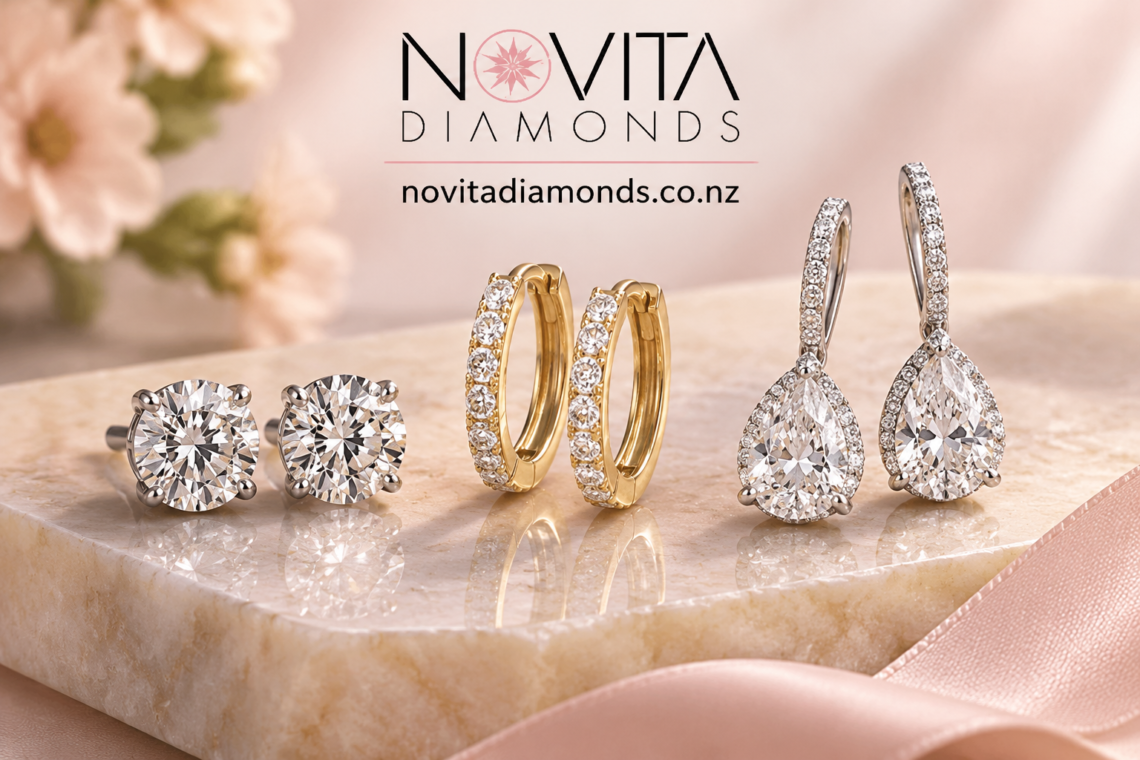
The setting and overall design should match the occasions on which the earrings will be worn. Diamond studs are a practical choice for regular use. Their compact design works with casual clothing, office outfits and formal wear. Four-prong settings allow more light to reach the stone, while bezel settings surround the diamond with metal and offer a more enclosed design.
Diamond hoops provide a different look. Some feature diamonds across the front, while others have stones set around the entire circumference. Buyers should check the hinge and clasp because these parts receive repeated movement during use.
Drop earrings hang below the earlobe and create more movement. They can suit evening outfits and formal occasions, although their weight and length deserve attention before purchasing.
A larger design is not automatically the more practical option. Earrings that catch on clothing or pull on the earlobe may become uncomfortable after several hours.
Choosing Between Gold and Platinum
The metal affects the colour and overall character of the earrings.
- White gold: Its bright appearance works well with colourless diamonds. White gold is commonly rhodium-plated, so the finish may require maintenance over time.
- Yellow gold: Provides a warmer contrast against a diamond and suits both classic and contemporary designs.
- Rose gold: Has a pinkish tone created by the copper in its alloy. It offers a softer alternative to traditional gold colours.
- Platinum: A naturally white precious metal that is valued for its durability and resistance to corrosion.
For people who already wear rings, necklaces or bracelets regularly, matching the metal colour can create a coordinated jewellery collection. However, mixing metals is also a reasonable design choice.
Lab-Grown Diamonds and Natural Diamonds
Lab-grown and natural diamonds have the same basic chemical composition and crystal structure. Both are made of carbon and have the physical and optical properties associated with diamond.
The main difference is their origin. Natural diamonds form underground over geological periods, while lab-grown diamonds are produced using controlled technological processes, commonly CVD or HPHT.
For earrings, lab-grown stones can provide another option when comparing carat weight, shape and design within a set budget. Buyers should still examine the cut, colour, clarity and grading information rather than assuming that every diamond has the same appearance.
A grading report from a recognised independent laboratory can help confirm important details about the individual stones. For a matching pair, it is also useful to ask about differences in colour and clarity between the two diamonds.
Small Details That Matter During Everyday Wear
The fastening deserves as much attention as the diamond itself. Butterfly backs are common on stud earrings and are easy to use. Screw backs attach through a threaded mechanism and can provide a more secure fastening when fitted correctly. Larger or heavier earrings may benefit from a backing designed to distribute their weight more comfortably.
Before ordering, check the following:
- The type of earring fastening.
- The total weight of the pair.
- The metal used for both the setting and backing.
- Whether the diamonds are securely held by their prongs or bezel.
- The cleaning and maintenance instructions.
These details are particularly useful when purchasing online, as photographs cannot show how an earring will feel on the ear.
For New Zealand buyers considering an online purchase, it is also sensible to check delivery arrangements, insurance during shipping, return conditions and the availability of after-sales support. If the earrings are intended as a gift, confirm the packaging and exchange policy before placing an order.
Finding a Pair That Fits Your Jewellery Collection
The most suitable design often depends on what someone already wears. A person who prefers delicate necklaces and simple rings may feel more comfortable with small diamond studs. Someone who regularly wears statement jewellery might prefer larger stones or a distinctive drop design.
Those comparing different designs can also review the selections available from diamond earrings at Novita Diamonds. Looking at stone shapes, metal colours and setting styles together can help clarify which details matter most before making a purchase.
Pay attention to measurements, individual diamond specifications and fastening quality rather than judging a pair from photographs alone. These practical details help buyers choose earrings that suit their style and remain comfortable throughout regular use.