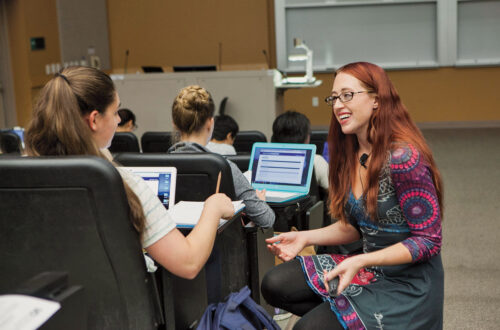
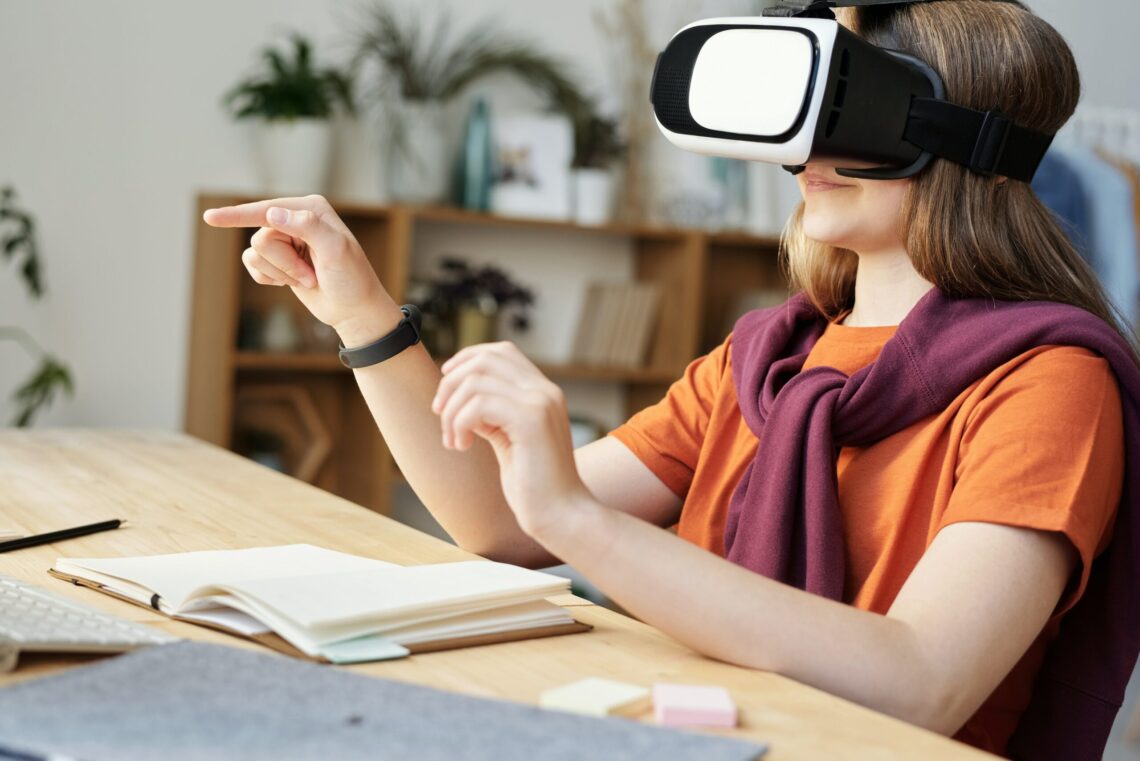
Forget flat Zoom screens and glitchy breakout rooms—class is now in session… inside ancient Rome.
The Shift from Clicks to Immersion
If you’re in education, you’ve likely heard the buzz around virtual reality in education—but this isn’t just another fleeting edtech trend. We’re talking about a radical shift in how students experience learning.
It’s one thing to read about the Great Wall of China in a textbook. It’s another to walk its winding path, peer over the edge, and take in the scale with your own eyes—all from a classroom in New Zealand.
That’s the magic of VR. And it’s reshaping the concept of virtual classrooms entirely.
The Birth of the “Presence-Based” Classroom
Remember those early pandemic days? Classrooms scrambled to move online. Teachers talked into webcams. Students stared at rectangles.
But something was missing—presence.
Now, fast forward to 2025. In a VR-powered classroom, presence is the norm. Students don avatars, meet in shared virtual spaces, and interact in real time—feeling like they’re really there, not just observing through a screen.
Example:
A high school biology teacher in Canada walks her students through the human circulatory system—literally. The students, equipped with headsets, shrink down to microscopic size and travel through a beating heart, watching red blood cells move in real time. It’s “The Magic School Bus” meets real science.
Virtual Reality in Education Isn’t Just Cool—It’s Transformative
Let’s get something straight: VR in education isn’t a gimmick. It’s not just about wow-factor or flashy demos. When used intentionally, it can deepen comprehension, spark curiosity, and even level the playing field.
1. Learning by Doing (Without Leaving the Room)
Traditional e-learning is passive. VR flips that. Students aren’t just watching—they’re doing. They’re dissecting frogs, building Roman aqueducts, or performing chemistry experiments in safe, simulated labs.
2. Empathy Through Experience
Imagine a class on social justice where students step into the shoes of someone facing racial discrimination or navigating life with a disability. VR can foster deep emotional learning, helping students understand perspectives they’d never experience firsthand.
3. Accessibility Meets Inclusivity
For students with physical disabilities, VR can open doors that traditional field trips can’t. A wheelchair-bound student can hike the Andes or scuba dive in the Great Barrier Reef—without the physical barriers.
The Tools Making It Happen
So what’s powering this new frontier of virtual classrooms?
- Meta Quest & Apple Vision Pro: These headsets are becoming more affordable and lightweight.
- Platforms like ENGAGE, ClassVR, and VictoryXR: Offering full-fledged virtual learning environments tailored for K–12 and higher education.
- Custom-built VR simulations: Universities and schools are investing in bespoke experiences aligned with curriculum.
One standout story? Case Western Reserve University partnered with Microsoft to create HoloAnatomy, a VR-powered human anatomy curriculum. Students study organs in 3D, rotating and exploring them as if they’re holding them in their hands—no scalpel needed.
Challenges on the VR Road (Because Nothing’s Perfect)
Sure, it sounds dreamy, but there are hurdles:
- Cost: Not every school can afford a VR lab.
- Training: Teachers need support to integrate VR into meaningful pedagogy.
- Tech Fatigue: Strapping into a headset for hours isn’t always practical or comfortable.
But the momentum is strong, and where there’s pedagogical value, innovation follows.
Is It the Future? Or Already the Present?
We often ask, “Is VR the future of education?” But maybe the better question is: What does education look like when we stop teaching to the screen and start teaching to the senses?
The future classroom may not be defined by four walls—or even by screens—but by experiences. And those experiences are already happening in pockets around the world.
Final Thoughts: Why This Matters Now
Education is undergoing a renaissance, and virtual reality in education is leading the charge—not as a novelty, but as a new foundation.
This isn’t about replacing teachers or live interaction. It’s about giving educators a new set of superpowers—tools to make abstract concepts tangible, global perspectives accessible, and learning unforgettable.
So next time someone tells you VR is just for gamers, tell them: In today’s best classrooms, dragons fly, neurons fire, and students don’t just learn—they live it.
💡 What’s Next?
Educators: Start exploring platforms like ClassVR or ENGAGE.
Admins: Consider small pilot programs to test impact.
Students: Buckle up—school is about to get a lot more exciting.
Want more insights like this?
Subscribe to our newsletter for weekly updates on the cutting edge of edtech and immersive learning.