Rethinking how we teach, learn, and engage in a post-Zoom world.
The Traditional Classroom Flip (Pun Intended)
Once upon a pre-pandemic time, classrooms followed a familiar script: the teacher lectured, students took notes (or at least pretended to), and homework was the space where real learning—or confusion—happened.
Then along came the flipped learning model. It turned the script upside down. Suddenly, students were watching lectures at home via videos and podcasts, while class time became a space for discussion, collaboration, and critical thinking.
At first, it felt like a gimmick. Another education trend that would fizzle out like overhead projectors or clickers. But today? It’s 2025, and the flipped classroom is still standing. So, we have to ask…
Is the Flipped Classroom Just a Phase?
To answer this, let’s go back to the root of the flipped learning model.
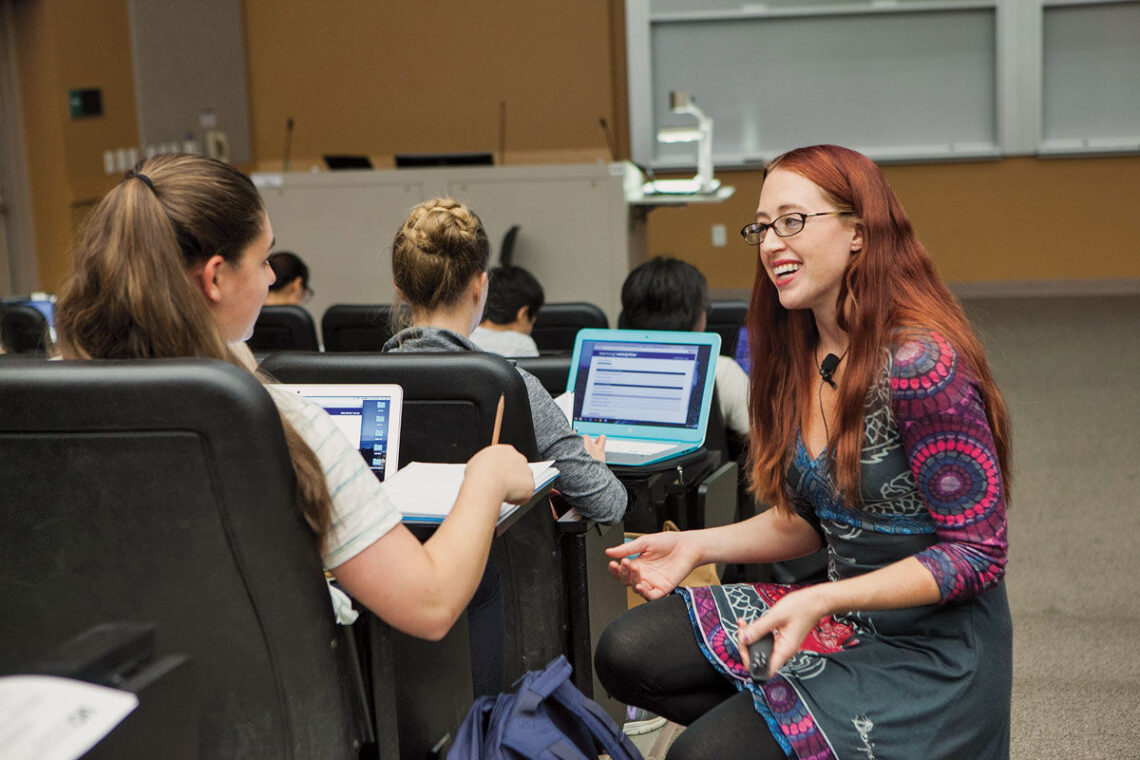
Instead of passively consuming information in class and struggling alone afterward, flipped learning puts content delivery at home (via tech) and uses class time for active engagement. Think: Socratic questioning, group work, debates, case studies.
It’s not just flipping where the lesson happens—it’s flipping the purpose of classroom time.
And here’s the kicker: it works. When done well, flipped classrooms have shown improvements in:
- Student engagement 🧠
- Knowledge retention 📘
- Collaboration and communication skills 🤝
But let’s not romanticize it. The flipped model is not a one-size-fits-all savior.
“Flipping” in Real Life: Not Just for Ivy League
At a community college in Wellington, New Zealand, history teacher Maria Hensley flipped her course after noticing students were zoning out during lectures. She began recording short 10-minute video lectures and assigned them as homework. In class, they tackled historical debates and primary source analysis.
Her attendance shot up. More importantly, so did her students’ confidence.
“I stopped being a talking head,” she said. “Now, I’m more like a coach.”
This isn’t a unicorn story. High schools, universities, and even corporate training programs are embracing flipped learning not because it’s trendy—but because it’s sustainable when designed with intention.
But Wait… What About Equity?
Here’s where things get sticky.
Flipping assumes students have:
- Access to tech
- A quiet space to study
- The self-motivation to watch videos before class
Not every student does.
Some educators worry flipped learning might widen the digital divide. It’s a valid concern. But others argue it can reduce inequity if schools provide devices and support. A well-structured flipped model can actually free up time for peer mentoring and differentiated instruction in the classroom.
Bottom line? Equity in flipped learning isn’t a tech issue—it’s a design issue.
Is the Juice Worth the Flip?
If you’re a teacher thinking of flipping your classroom, you’re probably wondering: Is the ROI worth it?
Here’s the trade-off:
- Upfront time investment: Creating videos, designing active learning sessions
- Potential payoff: Increased student engagement, deeper learning, less burnout from repeating the same lecture five times a day
It’s like baking from scratch vs. buying a mix. More effort upfront, but the outcome can be richer, more satisfying—and more adaptable to different palates.
And here’s the best part: flipped doesn’t mean 100% flipped. Hybrid models exist. Some classes flip a unit, others flip on Fridays only. The flipped learning model is more like a mindset than a rigid structure.
What the Future Might Flip Into
Let’s imagine 2030.
AI helps create custom video lessons in minutes. Learning analytics show who’s watched what and where they got stuck. Classrooms become creative labs instead of lecture halls.
Sound sci-fi? Maybe. But parts of this are already happening.
The flipped classroom isn’t a passing trend—it’s evolving. Just like we no longer teach typing on typewriters, we won’t teach 21st-century learners with 20th-century methods.
So… Are Flipped Classrooms Here to Stay?
Short answer: yes.
Longer answer: they’re here to evolve.
The flipped learning model won’t replace every traditional classroom. But it’s certainly carved out a permanent place in modern pedagogy.
Why? Because it does what education is supposed to do—meet learners where they are, then challenge them to go further.
Final Thought: Flip with Purpose, Not Hype
If you’re an educator, the takeaway isn’t “you must flip your classroom.” It’s this: design your classroom with intention. Whether you flip a little or a lot, the goal should always be the same—create a space where students are actively learning, not passively surviving.
In the end, the flipped classroom isn’t about videos. It’s about value—using every moment of class time in ways that matter.
And that? That’s something worth keeping.
📌 Have you tried flipping your class—or learning in one? Share your wins, flops, and insights in the comments! Let’s keep the conversation going.