London Lab Grown Engagement Rings and Modern Diamond Buying
Buying a diamond ring used to follow one path. You visited a store. You looked at a few designs. You accepted the price. Today you have more control. You can compare quality. You can study for certification. You can choose how your diamond is made.
That shift changed the market for engagement rings. Many buyers now want a stone that looks identical to a mined diamond without paying the same premium. They also want a purchase that feels practical and easy to justify. This is where lab diamonds changed the conversation. A lab created stone is built under controlled conditions using advanced technology. The physical and optical structure matches a mined diamond. The sparkle hardness and appearance are the same to the human eye. For many buyers the real question is no longer whether the stone is real. The real question is whether the higher cost of mined stones still makes sense.
Why Buyers Are Moving Toward Lab Created Stones
Price is often the first reason. A larger stone with strong clarity and color grades becomes more accessible when you choose a lab created option from novitadiamonds.com. Instead of stretching your budget for a smaller diamond you can often afford a better cut or a more detailed setting. That changes how people shop. Some buyers focus on size. Others care more about shape or ring design. Many simply want better overall value without sacrificing appearance.
- A smaller mined diamond with average clarity
- A larger lab created stone with higher clarity and better cut
In many cases the second option offers stronger visual impact. Another reason is predictability. Modern buyers research products deeply before spending money. They compare grading reports. They review return policies. They study pricing differences across retailers. They want transparency. The diamond industry is no longer hidden behind showroom language. Information is easy to access and buyers now expect direct answers.
What Makes a Diamond Look Better
Most people focus on carat weight first. That can lead to poor decisions. Cut quality affects appearance more than size alone. A well cut stone reflects light efficiently and creates stronger brilliance. A larger stone with poor cut proportions can appear dull. When comparing diamonds pay attention to:
- Cut grade
- Color grade
- Clarity grade
- Certification
- Shape proportions
Round diamonds usually reflect the most light. Oval and cushion cuts often appear larger for their weight. Emerald cuts create a cleaner and more structured appearance. Your choice depends on style preferences rather than rules. A strong grading report matters because it confirms the quality claims made by the seller. Independent certification creates a standard reference point. Without it you rely only on the retailer description.
Understanding Ring Settings
The setting controls both appearance and daily wear comfort. A thin band may look elegant but durability matters if you wear the ring every day. Prongs should hold the stone securely without blocking light. The setting should also match the shape of the diamond. Popular styles include:
- Solitaire settings
- Hidden halo designs
- Three stone rings
- Pavé bands
- Vintage inspired settings
A solitaire design keeps attention on the center stone. A halo creates more visual size. Three stone settings add balance and symbolism. Metal choice also affects the final look. White gold creates a clean modern appearance. Yellow gold adds warmth. Platinum is dense, durable and naturally white. There is no universal best option. The right setting depends on your lifestyle budget and design preference.
How Smart Buyers Compare Retailers
Photos alone are not enough. High quality sellers provide detailed videos certification reports and clear return policies. You should also check whether resizing is included and how repairs are handled after purchase. Before buying compare:
- Certification lab
- Return window
- Warranty coverage
- Setting quality
- Customer support response time
Some websites compete mainly on pricing. Others focus on customization and service. A lower price means little if the setting quality is weak or support disappears after the sale. Read real customer reviews carefully. Look for patterns rather than isolated complaints. Example: If multiple buyers mention delayed shipping or weak prongs you should take that seriously.
Common Misunderstandings About Modern Diamonds
https://picvault.xyz/uploads/6a1000f618047.png
Some buyers still believe the stones created are fake. That is incorrect. A diamond made in a laboratory has the same crystal structure as one formed underground. Standard jewelry stores often need specialized equipment to identify the origin. Another misunderstanding involves resale value. Many buyers assume mined stones hold value strongly. In reality most diamonds lose value immediately after retail purchase. That changes the buying mindset. Instead of treating a ring as an investment many people now view it as a personal purchase tied to meaning design and long term wear. This practical thinking influences the rise of lab grown engagement rings across global markets.
Design Trends Shaping Current Engagement Rings
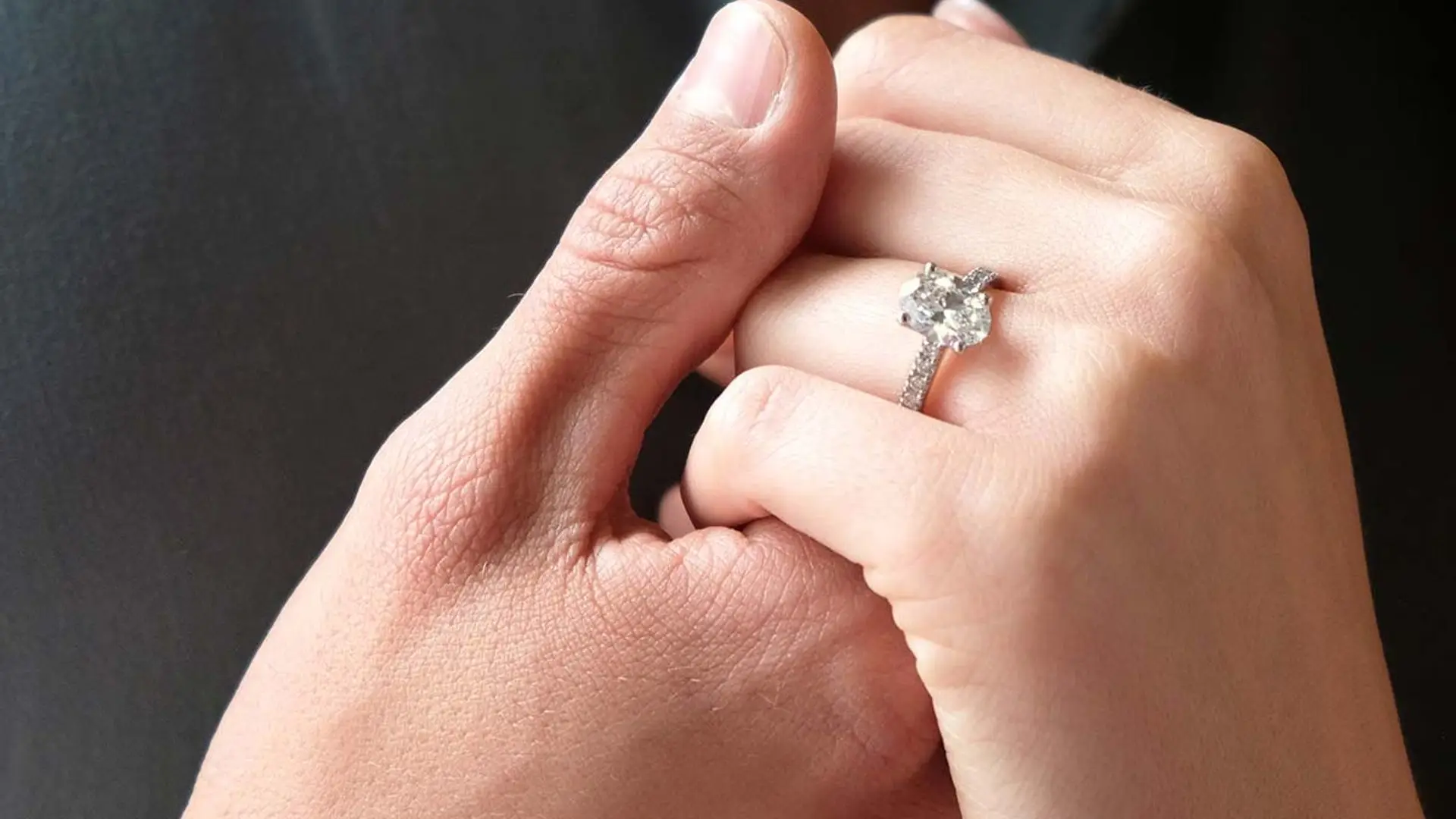
Minimal designs continue to grow in popularity. Buyers want rings that feel wearable rather than oversized or flashy. Oval cuts remain in high demand because they elongate the finger and create a larger appearance. East west settings are also gaining attention because they rotate the stone horizontally for a modern look. Hidden details are becoming more common too. Examples include:
- Hidden halos beneath the center stone
- Small diamonds inside the band
- Personal engravings
- Mixed metal combinations
Customization matters because buyers want something personal instead of mass produced. That does not always require expensive design work. Small adjustments often create a unique result.
How to Buy Without Regret
Start with a realistic budget. Do not stretch finances for visual differences most people will never notice. Prioritize cut quality first because brilliance affects appearance more than minor clarity differences. Compare diamonds side by side when possible. Watch videos under normal lighting instead of only studio lighting. Ask direct questions:
- Is the diamond certified?
- What is the exact return policy?
- Can the ring be resized?
- What maintenance is included?
Take your time before purchasing. Pressure selling still exists in jewelry retail. A good seller answers questions clearly and gives you room to decide. Many buyers researching lab diamonds are not looking for status. They want value transparency and strong design without unnecessary spending. That mindset is reshaping the engagement ring industry.
Questions Buyers Often Ask
Do created diamonds last as long as mined diamonds?
Yes. They have the same hardness and durability which makes them suitable for daily wear.
Can people tell the difference between mined and lab created stones?
In normal viewing conditions most people cannot tell the difference without specialized equipment.
Are lab grown engagement rings cheaper?
In most cases yes. Buyers can often purchase larger or higher quality stones at lower prices compared to mined alternatives.